
How to Use SEO and PPC Together for Your Local Business
Businesses have always treated SEO and PPC as separate marketing strategies for many years now. But the truth is that combining both of them can yield spectacular results! The reason is simple - both of them have complementary sets of benefits which can impact your business positively.
While PPC can deliver instant traffic to your website, SEO is more of a long-term strategy. While they do perform well on their own, together they become much more powerful.
We take you through a few pointers on how you can bring these methods together to create your own high-performance marketing funnel!
9 Smart Ways to Combine SEO and PPC for Local Success
1. Building a Unified Target List
The first thing you can do is to build a unified list of your ideal targets. Remember, since both are different methodologies, the ideal demographic can differ.
Merge the CRM or Google Ads data to get a more cohesive list of your best options. This list can then be segmented by other factors like location, preferences, and behavior.
Ensure that your target keyword list now has high-intent keywords from both lists. Once you've got the list, make sure that you use the same demographics and location for both campaigns. When choosing keywords, ensure that you also research your competitors' keywords - check how they're ranking for the same keywords as yours.
It is important to understand that the list is always evolving based on the market. Continuously refine the list and remove underperforming targets from it.
2. Testing Keywords With PPC
One of the advantages of PPC is that things move much more rapidly here. To take advantage of this, you can use PPC as a testing ground for your keyword research. Include untested keywords in short PPC campaigns to check how they perform.
Testing long-tail keywords through PPC is cheaper even for the short term before committing to a long SEO process.
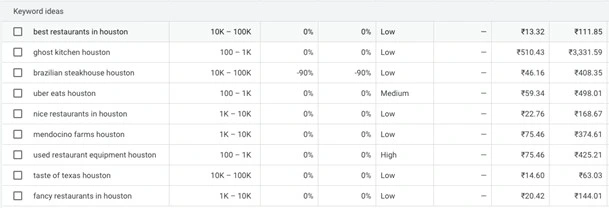
The goal of testing with PPC is to understand the commercial viability of your keywords. It can highlight which keywords provide the best opportunities to drive traffic to your website.
Another advantage of using PPC is that you can quickly identify which keywords are negative or irrelevant to your business.
Using PPC means you are not relying on programs or tools for results, but rather the actual search volume.
3. Use SEO Insights to Lower PPC Cost
The importance of SEO insights cannot be overlooked. It allows you to identify if your keywords feature on the first page already, and so you can lower your PPC bids for these terms. Google Analytics can provide a lot of information that you can use to adjust your PPC bids, making your marketing much more cost-effective.
The same strategy can also be used for your website. SEO can highlight which pages are performing well and those that are lacking traffic. Using this data, you can create PPC campaigns that funnel traffic to the pages that have low metrics.
SEO can be used to optimize your landing pages for critical KPIs such as loading time, content relevancy, and a good user experience.
4. Create Ad Copy Through SEO
Most inexperienced marketers create ads based on their experience and use words that are "catchy" with no proven numbers to back them up. But with SEO, you can get ad copy that is both engaging and choose the right one through metrics.
A/B testing meta descriptions, headlines, and other metadata can help you gain valuable insights.
Through SEO, you can reduce the frequency of overused phrases, making your ad copy cleaner and unique. Analyze customer reviews and testimonials for positive phrases to add to your PPC ads.
With SEO, you can gain valuable insights through "People Also Ask" on searches to create new perspectives for your PPC campaign. SEO can provide better local differentiators, which adds to the authenticity of your content.
5. Leverage PPC to Promote SEO Content
Any piece of content requires a strong start with promotions before it can become popular. In this regard, the best strategy to use for promoting content is PPC.
Choose the best and highest-performing content pieces on your website and then use PPC to reach a wider audience quickly. Phrases like "guide" and "how to" do have high SEO value, but might not help you convert.
But using these articles along with PPC can give your brand top-of-the-funnel content and establish you as an authority. Promoting content through PPC can also help you find content gaps in your campaign.
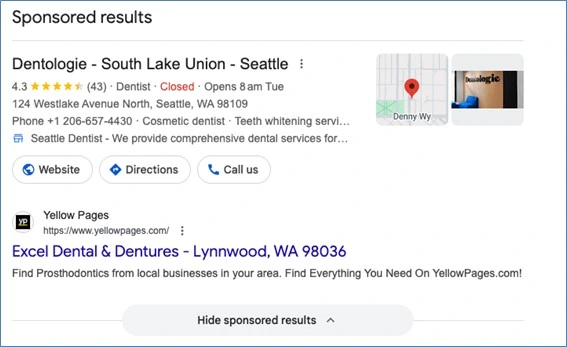
Another great way to use PPC is to target gated content through it. Ebooks, checklists, and exclusive articles can be used to capture emails and other details from users. PPC can also be used to promote location-specific landing pages to get quality leads to your website.
6. Retarget Organic Visitors With PPC
The goal of every website is to ensure that it can build a completely organic audience. But adding a PPC strategy to retarget people who exhibit specific behaviors on the website can be really effective. You could create silos for retargeting that can trigger tailored messaging to users.
For example, a user who clicked on the pricing and then clicked away could be converted with a good discount. PPC ads could be shown to people who have first engaged with a page, then never again. In time, there are more chances for them to revisit the website by being top-of-mind through these ads.
Using PPC ads as a vehicle to offer users special discounts or promotions can help greatly. Adding PPC ads to blog pages and showing them relevant content is a great way to get them interested.
7. Drive Local Traffic to Paid Ads With SEO
A rule of thumb when it comes to marketing is that the more people see of your brand, the better the chances they will start clicking on your ads.
The first thing to do to get better local traffic numbers is to ensure that your Google My Business page is optimized. Add location-relevant keywords to your content, which can signal a strong local reference.
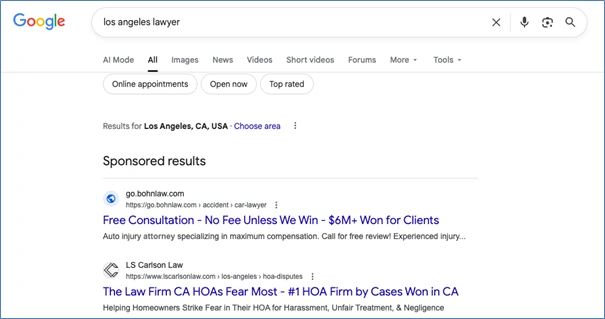
Check your NAP (Name, Address, and Phone) details across all your posted platforms, including directories, and verify they are consistent. It is a good idea to showcase customer reviews on your website, especially if they are specific to a location.
Getting authority backlinks from reputable local websites like local news, trustworthy brands, and other entities can propel your paid ads to more people.
8. Optimize Landing Pages With SEO
Landing pages are a powerful source of qualified leads when executed correctly. Proper SEO strategies can positively impact a landing page, ensuring more people click on it. Conducting SEO audits to identify problem areas like low conversion, engagement, or traffic is a good first step.
The landing page "message" should align with the ad copy so it appears cohesive to the user. Don't make the mistake of cramming too many ideas onto one landing page. Keep the page simple and focus on a single topic or message.
Provide content that is useful to the reader rather than talk about your brand. People visit landing pages to understand how you can help them with their pain points. Last but not least, ensure that the website loads up quickly and is mobile-friendly.
9. Track and Combine Analytics Dashboards
Combining Google Ads and Google Analytics is a pivotal step in any marketing campaign. It allows marketers to see PPC and SEO related data in one place. Setting up unified goals should be a priority. For example, setting up the same conversion goals (either contact form or phone call) on both Google Ads and Analytics.
If there are too many data points to consider, you might need to build your own custom dashboard. It should list KPIs from both strategies, like paid sessions, organic sessions, total conversions, and cost per lead.
Ensure that you track shared KPIs across the campaign and tag your marketing URLs with UTM parameters so everything is clearly visible on your dashboard.
Key Takeaways
● Create a unified keyword strategy with the power of PPC's quick feedback and long-term SEO benefits.
● Leverage PPC's targeted campaigns to amplify the reach of high-performing SEO content.
● Optimize landing pages by improving loading speed, content quality, and mobile responsiveness.
● Reduce cost per lead by streamlining PPC bids with keyword data from the SEO process.
● Retarget organic traffic that you have lost by using PPC to signal specific incentives and promotions.